Do Bees Sleep?
The bee is a fascinating insect. It is responsible for the multiplication of numerous plant species through its movements with pollen. Thanks to bees, humans can enjoy the benefits of wax and honey. While much is known about this insect, there are still grey areas regarding its possible sleep phases.
Sleep in Bees
The idea of sleep in bees has only been accepted very recently. Indeed, the activity of this insect did not suggest that it could sleep. After all, bees don't just leave the hive to collect nectar from flowers. Inside the hive, there is also intense activity.
This activity is represented by the different categories of bees that are busy around the queen, feeding larvae, or producing honey. This entire well-organized ecosystem might suggest that a bee experiences no rest period throughout its life. However, like any other animal, it does. Bees may not have eyelids, but we can observe them resting through distinctive signs.
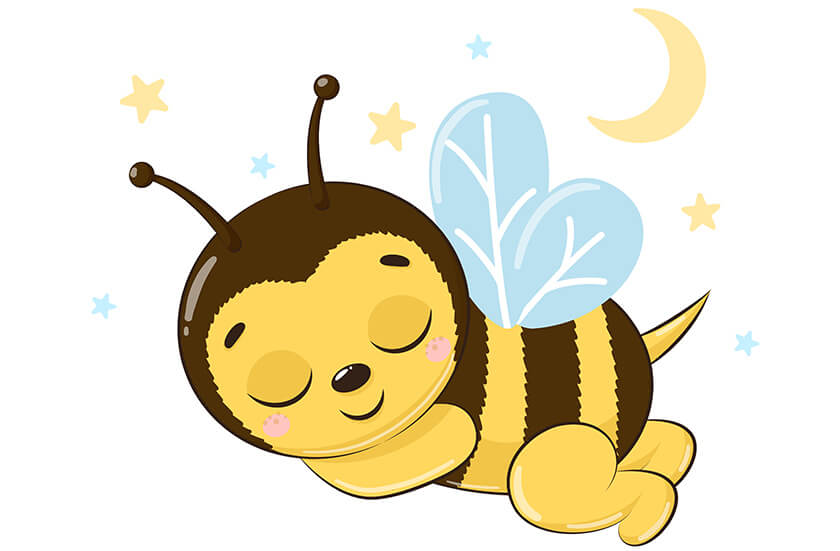
How Does a Sleeping Bee Behave?
To identify a sleeping bee, simply observe it carefully. Indeed, during their rest phases, these insects remain completely immobile. Neither the head, nor the muscles, nor even the antennae move. Furthermore, it is very rare to see a sleeping bee react when disturbed.
However, if an external element manages to disturb the bee, it can only wait for a next rest phase to sleep. This one lasts longer than the previous one.
Where Do Bees Sleep?
Bees don't have a preferred sleeping spot. They generally rest in the hive, at their workplace. Moreover, once the nap period is over, they return to duty.
Do Bees Dream?
It is unlikely that bees experience REM sleep. However, this does not mean that they cannot experience some form of dreaming.
Nurse Bees: The Exception
Nurse bees are a category of bees with a well-defined role within the hive. They are the ones who take care of the larvae throughout their development. These are fed with royal jelly, as well as honey produced by the hive.
As a reminder, royal jelly is an important product for bees and serves exclusively as food for the queen. The work of the nurse bees mobilizes them for several days during which they are active without rest 24/7.
However, as soon as they abandon their role as nurse bees for that of storekeepers, these bees take breaks and therefore naps. We can thus conclude that sleep in bees is far from being a myth.
It exists, and it can be observed by the body movements that stop during the rest phase!
To those who understand...