The Drone Bee: The Male Bee in the Hive!
The drone bee is an integral member of the bee colony. Born from an unfertilized egg, it is the male of the group. Often considered a parasite, the drone bee tends to feed on the hive's honey reserves without contributing to production. This is why worker bees often tend to push them away.
How to Identify a Drone Bee?
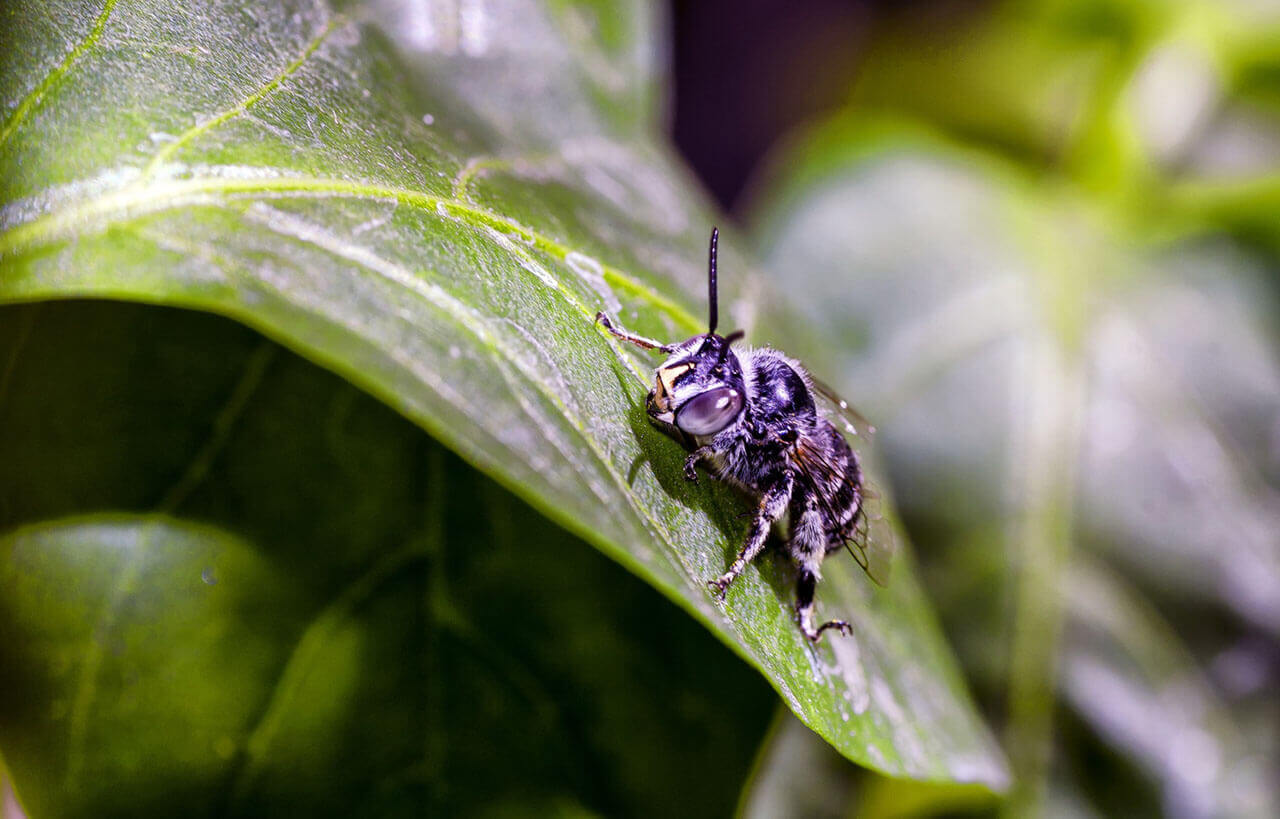
A drone bee stands out from other honey-producing individuals by its appearance. It is a much larger insect compared to a worker bee, with a distinctly round shape. It weighs significantly more, approximately 220 mg.
Its shape, however, is quite similar to that of a bumblebee, hence its name (faux bourdon literally means "false bumblebee"). Non-experts might easily confuse these two species, which are actually very different. Compared to other bees, this male makes much more noise when flying, and you may also notice its more imposing reproductive organ. As for its body, it is stockier and larger than a queen bee. Its antennae are longer.
But other characteristics can also differentiate a drone bee from other bees. More technical features, which can only be discovered with the aid of a microscope. For example, regarding the number of eyes, a drone bee has approximately 8,000 facets compared to only 5,000 for worker bees.
What is the Purpose of a Drone Bee?
Nomadic, this solitary bee travels from hive to hive in search of a female to fertilize. As you may have guessed, its primary role is to fertilize the queen. It does not forage for nectar and does not defend a hive. This is why this species is not equipped with a stinger. It poses no threat to humans. The drone bee primarily ensures genetic mixing for the preservation of the species. It is impossible for a drone bee to mate with a queen from the same lineage. It must seek out other reproductive bees in different colonies.
The Drone Bee Life Cycle
Drone bees come to life within the swarm. Generally, the first males are born approximately 7 weeks after the swarm's establishment. To reach reproductive maturity, it takes them between two weeks to 25 days.
Drone bees begin to fertilize queens in early spring and cease their reproduction in early summer. These bee species do not live very long, as their life expectancy is limited to only 90 days. During this period, this male bee must find a receptive queen for mating to ensure the continuity of its lineage. As soon as the drone bee reaches maturity, it must leave its hive to search for a fertile princess to perpetuate its race.
Why Does a Drone Bee Die After Mating?
Once the drone bee has found its queen, these two bees will engage in a nuptial flight. But nature dictates that the drone bee will lose its life moments after mating.
In more detail, the queen will then sting its thorax to fill her spermatheca. Once filled, the male bee will die, leaving its reproductive organ attached to the queen's vagina. This is an undeniable process, and every reproductive male bee must undergo it.
Where Do Drone Bees Live?
Drone bees are more prevalent in a hive during spring. Several males surround a hive during swarming, hoping to find a receptive princess female who will become a queen.
At other times of the year, the bee colony can still host a foreign male. Indeed, the drone bee does not always have a fixed hive. It travels from hive to hive to feed. If at some point the colony's resources become insufficient, this male, who does not participate in production, will become more than useless within the swarm. The other bees will then kill them by stinging them. In winter, no drone bees will linger around.
The Drone Bee: A Fragile Bee That Cannot Feed Itself
Despite its solitary nature, traveling from one hive to another, the drone bee remains a weak male. Already lacking a stinger for its own defense, it is unable to feed itself. It must depend on the honey production of other worker bee troops.
Once it finds a colony that accepts and feeds it, it can live there while trying to find a virgin female ready to mate with it. There can be several drone bees in a colony. However, if resources become scarce in the colony, the males who have not succeeded in fertilizing a queen are the first to be sacrificed.
Other Roles of Drone Bees in the Hive
But besides fertilizing the queen, did you know that drone bees can also have other uses in the hive? Some beekeepers tend to trap these "honey thieves" to optimize their production. However, these small reproductive insects can contribute to the well-being of the hive.
The drone bee provides warmth within a hive where it resides. If the colony accepts it and it is inside, it will offer optimal breeding conditions for the eggs by keeping them at a suitable temperature.
Drone bees also have an educational role for young bees. They can accompany them until they reach maturity.
Drone bees tend to move around more than other worker bees. They therefore know the favorable foraging spots better. They can then provide crucial information to the rest of the troop about suitable places for foraging.